

Table of Contents
Headache is a common problem. We experience it most of the times in our routine life. Sometimes we experience it early in the morning or after day long hectic routine work, sometimes it is associated with fatigue or body aches and pain. It is important to find out at what time you develop headache, how often it occurs, what is the pattern of headache, it is frontal , unilateral or complete. Is it associated with any other symptoms or disease.
Causes of headache
What causes headache? This disorder is classified as primary or secondary. The etiology of primary headaches is not well understood and they are classified according to their clinical pattern. The most common primary headache disorders are:
- tension‑type headache
- migraine and
- cluster headache.
Secondary headaches are attributed to underlying disorders and include, for example,
- headaches associated with medication overuse
- giant cell arteritis
- raised intracranial pressure and
- infection.
Medication overuse headache most commonly occurs in those taking medication for a primary headache disorder. The major health and social burden of headaches is caused by primary headache disorders and medication overuse headache.
Diagnosis of headache
Chronic migraine and chronic tension-type headache commonly overlap. If there are any features of migraine, diagnose chronic migraine. Evaluate people who present with headache and any of the following features, and consider the need for further investigations and/or referral:
- worsening headache with fever
- sudden-onset headache reaching maximum intensity within 5 minutes
- new-onset neurological deficit
- compromised immunity, caused, for example, by HIV or immunosuppressive drugs
- age under 20 years and a history of malignancy
- a history of malignancy known to metastasize to the brain
- vomiting without other obvious cause.
- new-onset cognitive dysfunction
- change in personality
- impaired level of consciousness
- recent (typically within the past 3 months) head trauma
- headache triggered by cough, valsalva (trying to breathe out with nose and mouth blocked) or sneeze
- headache triggered by exercise
- orthostatic headache (headache that changes with posture)
- symptoms suggestive of giant cell arteritis
- symptoms and signs of acute narrow angle glaucoma
- a substantial change in the characteristics of their headache.
- For information on referral for suspected tumors of the brain or central nervous system, see the NICE guideline on suspected cancer.
Migraine Headache
Migraine headache is a complicated problem where you get painful headaches repeatedly. These headaches usually happen on one side of your head and sometimes come with vision or feeling changes, which we call an “aura.” The aura can happen before, during, or after the headache. Migraines are more common in women, and they can run in families.
Migraine symptoms
- A throbbing or pulsing headache that hurts a lot, especially when you move or do things.
- Pain on one side of your head, often near your temples or eyes, but it can be anywhere in your head or neck.
- The pain slowly gets worse over 1 to 2 hours and spreads to the back of your head.
- The headache can last anywhere from 4 to 72 hours.
- Feeling like you want to throw up (80% of people with migraines feel this), and actually throwing up (50% of people).
- Not being able to eat much and feeling like certain foods bother you.
- Being really sensitive to light and sound.
Management of Migraine
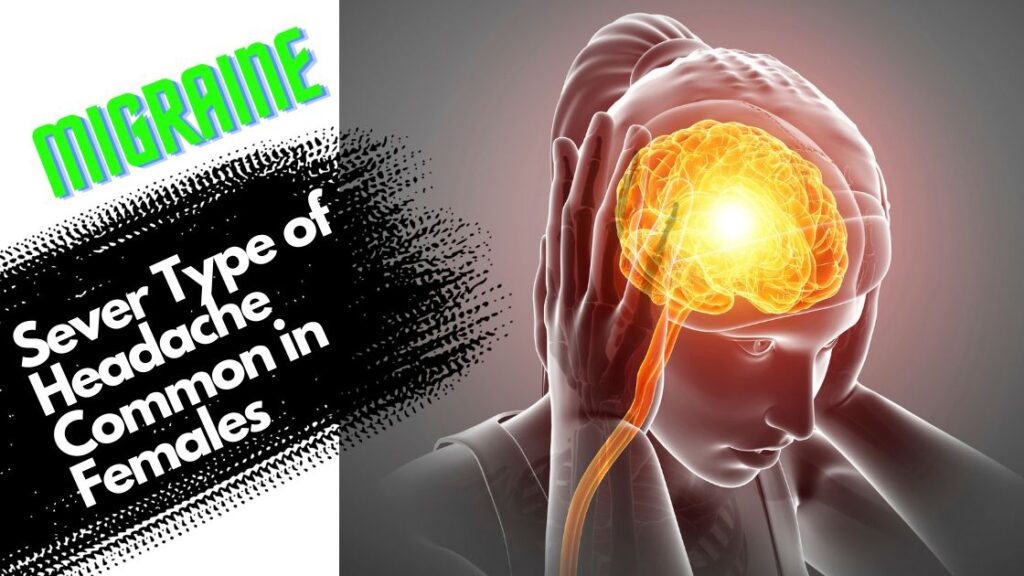
Management of migraine involves two types of medicines: ones to stop a migraine when it starts (abortive) and ones to prevent them from happening (prophylactic). Abortive medicines, like triptans, are best taken early in a migraine. Others include pain relievers, anti-nausea drugs, and more. Prophylactic meds are used when migraines happen often, last a long time, or disrupt life. Options include anti-seizure drugs, beta-blockers, and antidepressants. CGRP inhibitors and Botox are newer choices.
Treatment of migraine may also include the following:
- Reduction of migraine triggers (eg, lack of sleep, fatigue, stress, certain foods)
- Nonpharmacologic therapy (eg, biofeedback, cognitive-behavioral therapy)
- Integrative medicine (eg, butterbur, riboflavin, magnesium, feverfew, coenzyme Q10)
Menstruation-Related Headaches
Menstruation-related headaches are a common occurrence, particularly among women. These headaches are often triggered by hormonal fluctuations and can vary in intensity. Gaining insight into the patterns and triggers of menstruation-related headaches can facilitate more effective management strategies.
Medication-Related Headaches
Medication overuse headaches stem from the excessive consumption of pain relievers or migraine medications. It is essential to be aware of the potential risks associated with overusing these medications, as they can lead to a vicious cycle of headaches. Effective communication with healthcare providers and adherence to recommended dosages are crucial steps in avoiding medication-related headaches.
Cluster headache
Cluster headache (CH), also known as histamine headache, is a type of severe headache that happens in groups or clusters over several weeks. We don’t fully understand why it occurs.
Here are some key points about cluster headaches:
- They cause intense pain on one side of the head (around the eye, above the eye, or in the temple) that lasts for 15 to 180 minutes and can happen from once every other day to 8 times a day.
- During these headaches, people may experience symptoms like redness of the eye, tearing, stuffy nose, runny nose, sweating on the forehead and face, small pupil, droopy eyelid, or swollen eyelid, all on the same side as the headache.
There are two main forms of cluster headaches:
- Episodic CH: These occur in phases that can last from 7 days to 1 year, with pain-free periods of at least 3 months in between.
- Chronic CH: In this form, the clusters happen for a year or longer without any long-lasting relief, or with brief relief periods lasting less than 3 months.
Management of Cluster Headache
The management of cluster headache includes
- Symptomatic Management: This means treating the headache when it happens to relieve the pain and symptoms. Some examples include using oxygen, specific medications like triptans, ergot alkaloids, and anesthetics.
- Preventive Management: This involves taking medications regularly to prevent cluster headaches from occurring in the first place. Examples of these medications include calcium channel blockers, mood stabilizers, and anticonvulsants.
Tension Headache
Tension headache start, the pain can feel like a throbbing sensation and usually comes on more slowly than migraines. Compared to migraines, these headaches vary in how long they last, stay pretty consistent in how they feel, and are not as intense.
To diagnose tension-type headaches, doctors look for at least two of the following
- The pain feels like pressing or tightening (not like throbbing).
- It’s located in the front and back of the head.
- The pain is on both sides and is mild to moderate in strength.
- Physical activity doesn’t make it worse.
Management of Tension Headache
Various modalities are used in the management of tension headaches. These include hot or cold packs, ultrasound, electrical stimulation, improvement of posture, trigger point injections, occipital nerve blocks, stretching, and relaxation techniques. Non-pharmacological treatments for headache include behavioral treatments such as cognitive-behavioral therapy, relaxation, biofeedback as well as acupuncture and massage. These treatments are options for patients who prefer non-pharmacological treatments or cannot take medications such as pregnant patients.
Treatment of Headaches
The approach to treating headaches depends on the type, severity, and underlying causes. Here are some common strategies for managing headaches:
A. Lifestyle Modifications
For tension-type headaches, stress management techniques, maintaining proper posture, and engaging in regular physical activity can be helpful.
Migraine sufferers may benefit from identifying and avoiding trigger factors, maintaining a consistent sleep schedule, and practicing relaxation techniques.
B. Medications
Over-the-counter pain relievers, such as ibuprofen and acetaminophen, can provide relief for mild headaches. Prescription medications, including triptans and preventive drugs, are available for managing migraines. Cluster headaches may require specific medications, such as oxygen therapy and triptans.
C. Complementary Therapies
Complementary therapies like acupuncture, massage, and biofeedback may offer relief for some individuals.
D. Behavioral and Psychological Approaches
Cognitive-behavioral therapy (CBT) can assist individuals with chronic headaches by addressing psychological factors and providing effective coping strategies.
Conclusion
Headaches are a widespread and often debilitating condition affecting individuals across the globe. By gaining a comprehensive understanding of the diverse types, causes, and available treatment options for headaches, individuals can take proactive measures to manage their symptoms and enhance their overall quality of life. It’s essential to remember that each person’s experience with headaches is unique, emphasizing the importance of close collaboration with healthcare providers to develop a personalized treatment plan tailored to specific needs. Whether one is grappling with tension-type headaches, migraines, or cluster headaches, there are numerous avenues for alleviating pain and enhancing overall well-being.
