
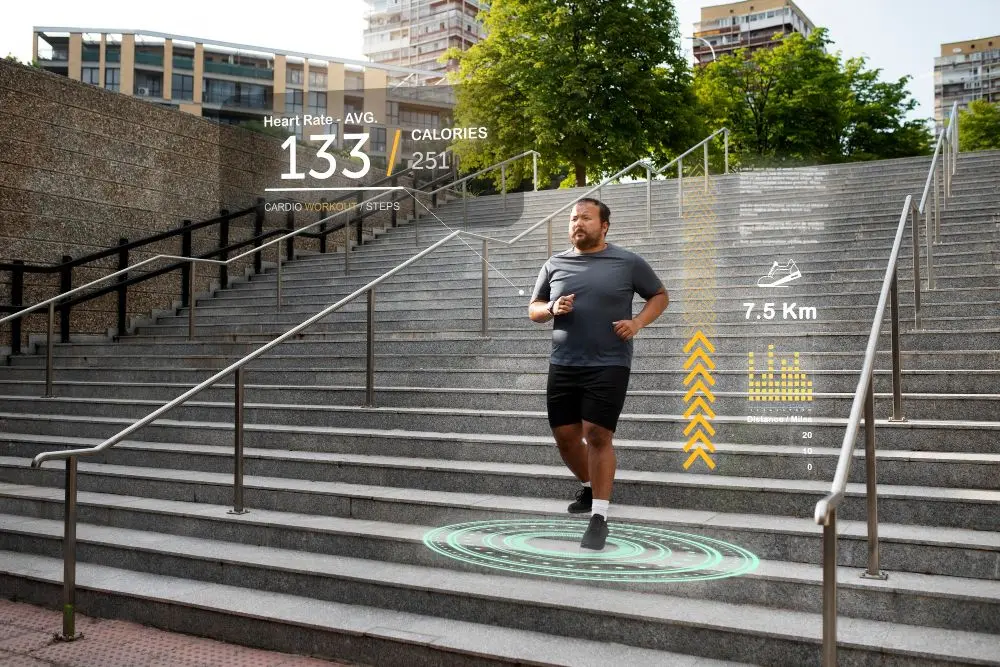
In this article, we are going to discuss “From AI Dependence to Active Living”, a treatable deadly disease that is increasing worldwide due to lifestyle changes. People are having sedentary lifestyles. The development of technology is leading individuals to depend more on it due to which physical activity is reducing. Life is becoming fast and to catch the time we are becoming more and more dependent upon technology. People work less and take more help from machinery to cut short their time due to which they are becoming more physically inactive. Most of us like to eat fast food, work on laptops, travel in cars, and work on machines.
Children prefer indoor games due to climate change, global warming, and epidemics. All these environmental factors are decreasing physical activity in children, Youngs, and adults.
Combating Obesity in the Digital Age
As human beings have become more dependent upon technologies, machines have taken the place of every human task. In daily routine life, we use machines for washing, cooking, sewing, gaming, traveling, and exercising. Now this power of machines has increased through machine learning and deep learning to the development of artificial intelligence. In the era of artificial intelligence, we can observe a growing tendency where humans are embracing certain robotic characteristics, blurring the boundaries between humans and machines.
Artificial Intelligence measuring, predicting, and intervening in obesity

The journey from symbolic AI to modern AI has revolutionized the field, empowering machines to learn and make intelligent decisions based on data. As Machine Learning and Deep Learning continue to advance, we are witnessing remarkable breakthroughs in various domains, driving AI to new heights and transforming the way we solve complex problems.
Accurate Obesity Measurement and AI:
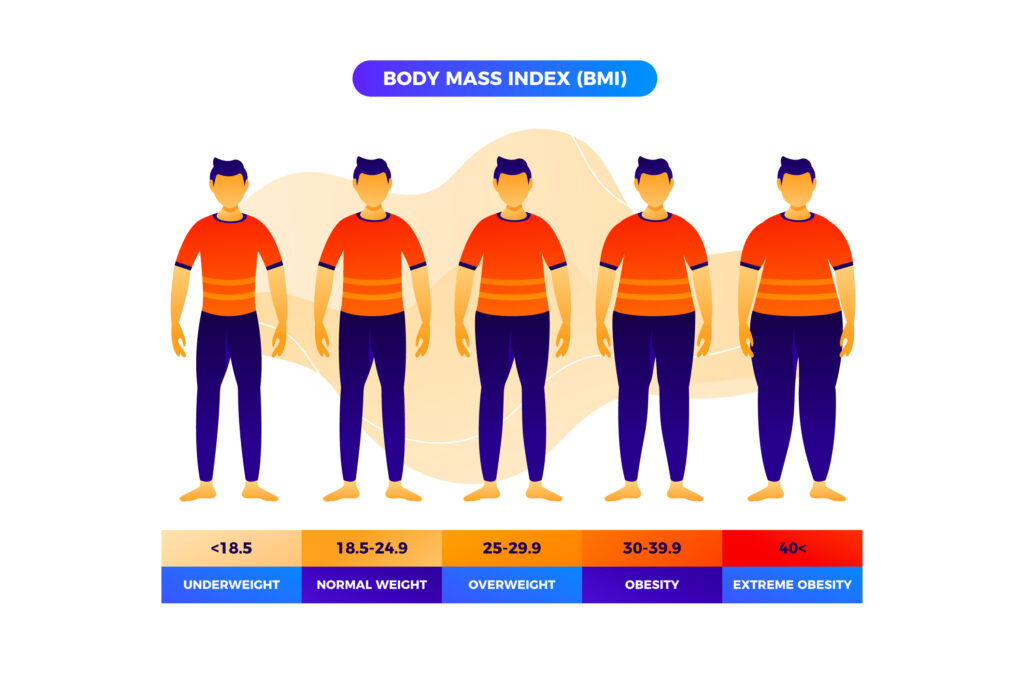
Accurate obesity measurement is crucial. Traditionally, body mass index (BMI) is the primary method used to assess obesity. However, AI has introduced more precise and comprehensive techniques. Computer vision algorithms (CVA) can analyze images or videos to estimate body fat percentage, waist-to-hip ratio, and other relevant measurements. By utilizing AI-powered algorithms, healthcare providers can obtain more detailed and accurate obesity metrics, allowing for better risk assessment and treatment planning.(An et al., 2022)
Predicting Obesity Risk Factors:
AI’s predictive capabilities are revolutionizing the field of obesity research. By analyzing large datasets containing health records, genetic information, lifestyle factors, and socio-economic data, machine learning algorithms can identify patterns and risk factors associated with obesity. (Safaei et al., 2021)These algorithms can uncover complex relationships that humans may overlook, helping to predict the likelihood of obesity development in individuals or specific populations. Such insights enable healthcare professionals to design preventive measures and targeted interventions, potentially reducing the incidence of obesity and related complications. `
Personalized Intervention:
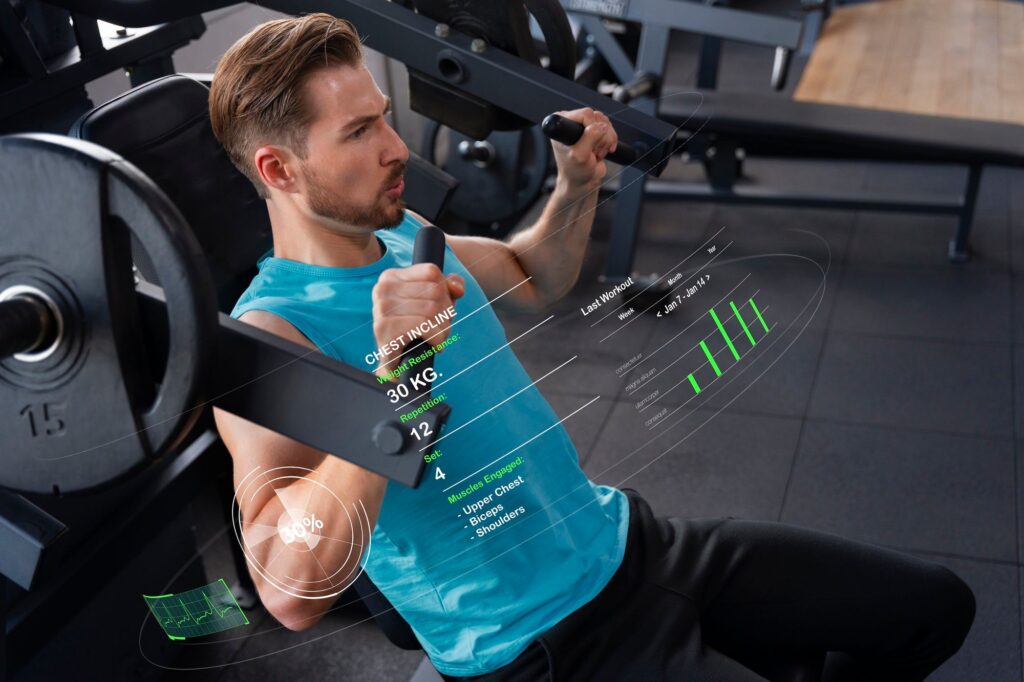
One of the most promising aspects of AI in obesity management is its ability to provide personalized interventions. AI integration with wearable devices, such as smartwatches or fitness trackers, real-time data collected during physical activities, sleep patterns, and dietary habits. AI algorithms analyze this data, generate personalized recommendations, and provide timely feedback to individuals. These interventions can range from tailored exercise routines and dietary plans to reminders and motivational messages, all aimed at promoting healthy habits and sustainable weight management.(Bouharati et al., 2012)
Challenges and Ethical Considerations:
While AI offers immense potential in the fight against obesity, it is essential to address the challenges and ethical considerations associated with its implementation. Privacy concerns arise when collecting and analyzing personal health data, highlighting the need for stringent data protection measures. Furthermore, bias in AI algorithms must be carefully addressed to ensure fairness and avoid perpetuating existing health disparities. By acknowledging and proactively addressing these challenges, we can harness the full potential of AI in obesity management while upholding ethical standards and protecting individual rights.
Obesity Treatment Using AI
In the realm of obesity treatment, the potential of artificial intelligence (AI) extends beyond conventional methods. One promising way is the integration of an AI chatbot as an adjunct to treatment. This approach holds much feasibility and offers many benefits, particularly in a pediatric setting. By uplifting AI technology, support for patients can be scaled to serve larger groups more effectively.
An AI chatbot can provide personalized guidance, education, and motivation to young patients, making their weight management journey possible and interactive. The chatbot has the ability to analyze data and introduce interventions based on individual needs. Also, the scalability of AI-driven support allows for wider accessibility, reaching a greater number of patients in need. By integrating the power of AI chatbots in the treatment of obesity, we can revolutionize the way patients receive support, making healthier habits and improving long-term effects.(Thompson & Baranowski, 2019)
Human in Loop with AI
AI work as an assistance to human and without human involvement decision can not be taken. Human intelligence is required to make AI interpretations, analyses, and results used in real life. AI-enhanced the human-generated methods and techniques used for the prevention and management of obesity, but it can not only be used as a tool for making decisions. Human intelligence is assisted by AI. While AI has the potential to enhance the methods and techniques developed by humans for the prevention and management of obesity, it should be seen as a complement rather than a replacement.
The true power lies in the collaboration between human intelligence and AI, working hand in hand to achieve optimal outcomes. Through this integration, human intelligence is empowered and augmented by the capabilities of AI, leading to more effective and impactful decision-making processes.
