
Table of Contents
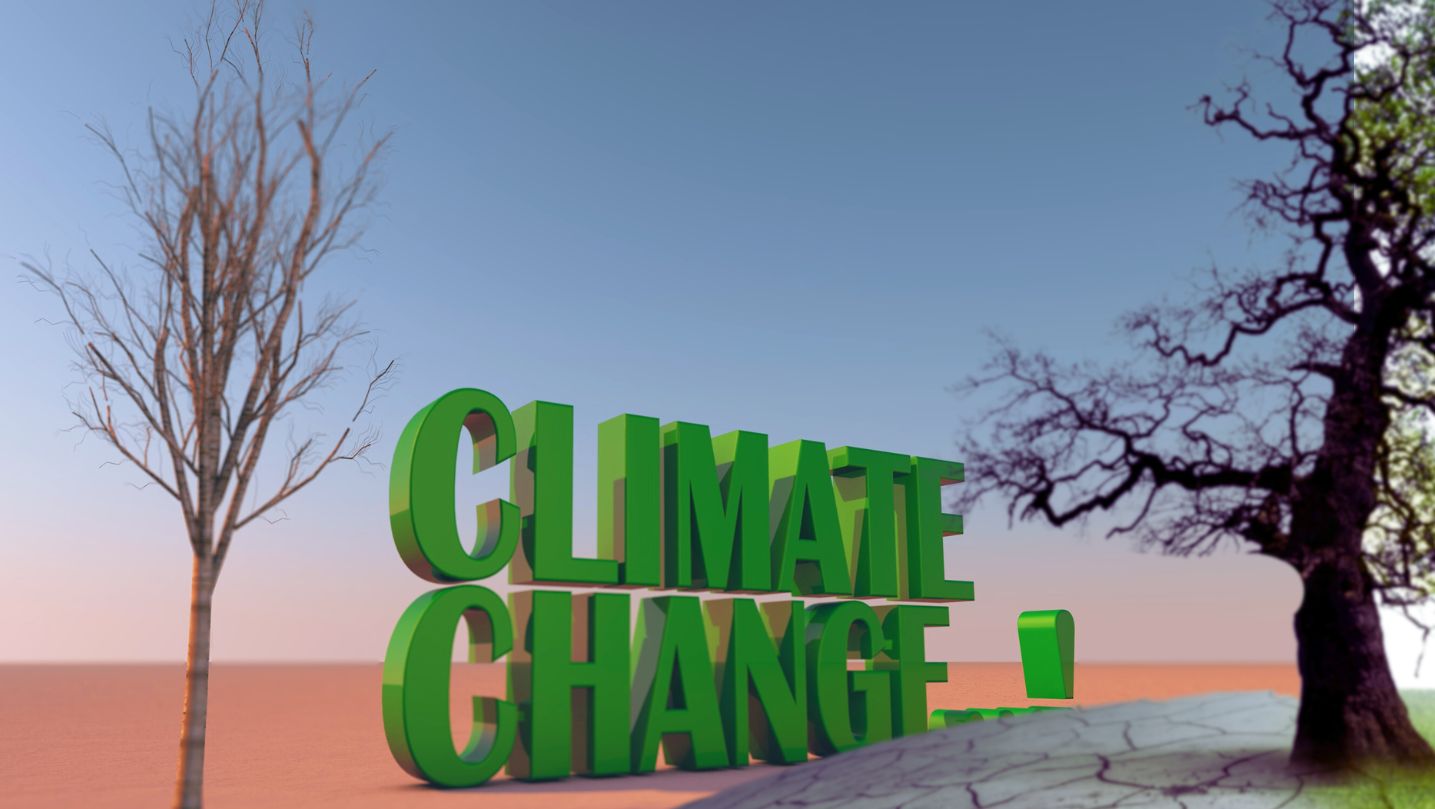
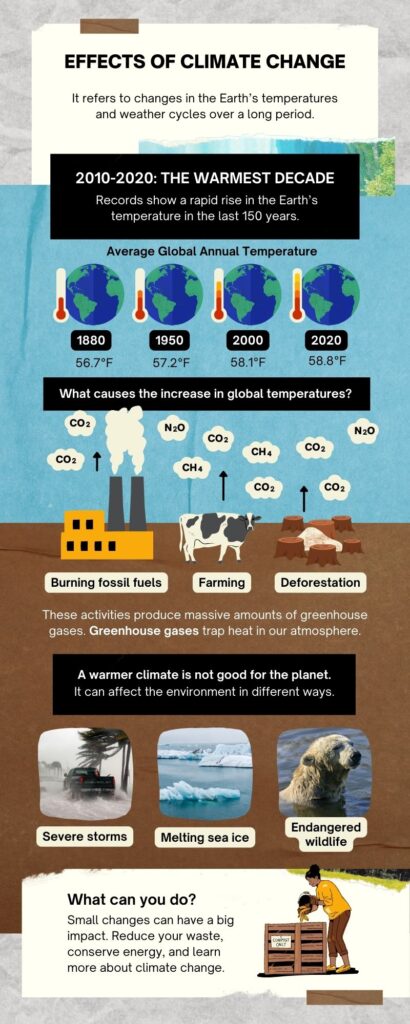
Climate Change is global threat, impacting our planet in unprecedented ways. The Earth’s climate is shifting, leading to rising temperatures, extreme weather events, and disruptions in ecosystems. Glaciers are melting, sea levels are rising, and the frequency of severe storms is increasing. This isn’t just about changing weather patterns; it’s a fundamental transformation that endangers our environment, biodiversity, and the very balance of life on Earth.
As temperatures soar, we witness the alarming consequences: more frequent wildfires, prolonged droughts, and erratic rainfall patterns that jeopardize agriculture. The threat extends beyond natural ecosystems to human societies, affecting food security, water resources, and the overall stability of communities worldwide. The rise in sea levels not only endangers coastal areas but also intensifies the risk of displacement for millions.
The root causes are largely anthropogenic, driven by human activities such as burning fossil fuels, deforestation, and industrial processes. Urgent collective action is imperative to mitigate these effects and adapt to the changes already set in motion. Climate change is not just an environmental issue; it’s a complex challenge that demands a global response, cooperation, and a reevaluation of our relationship with the planet. Only through concerted efforts to reduce greenhouse gas emissions, embrace sustainable practices, and prioritize environmental conservation can we hope to address this global threat and secure a sustainable future for generations to come.
Climate Change Definition
Climate change definition given by The United Nations Framework Convention on Climate Change (UNFCCC) as a change which is attributed directly or indirectly to human activity that alters the composition of the global atmosphere and an addition to natural climate variability observed over comparable time periods.
Key Facts
- Key facts given by World Health Organization Research shows that 3.6 billion people already live in areas highly susceptible to climate change. Between 2030 and 2050, climate change is expected to cause approximately 2,50,000 additional deaths per year, from undernutrition, malaria, diarrhea and heat stress alone. ( WHO)
- The projected health-related expenses, excluding costs in sectors like agriculture and water and sanitation, are estimated to range between US$ 2 billion to US$ 4 billion annually by the year 2030.
Causes of Climate Change list
Natural causes
- Green house Gases: Certain gases, known as greenhouse gases, trap heat in the Earth’s atmosphere. When we burn fossil fuels like coal, oil, and gas for energy or cut down forests, we release more of these gases, especially carbon dioxide. This excess of greenhouse gases thickens the Earth’s blanket, causing the planet to get warmer. This warming leads to changes in climate patterns, bringing about things like more extreme weather, rising sea levels, and disruptions to the natural balance of our environment. So, the more we release these gases, the more we contribute to climate change and its impacts on our world.

- Volcanic Eruptions: Volcano eruptions play a role in climate change, but their impact is complex and temporary. When a volcano erupts, it releases various substances into the atmosphere, including ash, gases, and particles.
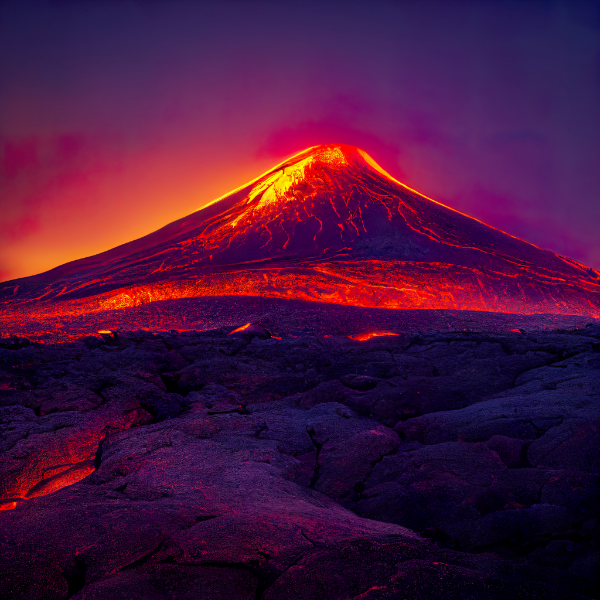
- Variation in solar activity: Variations in intensity of solar radiations hitting the earth causes climatic change
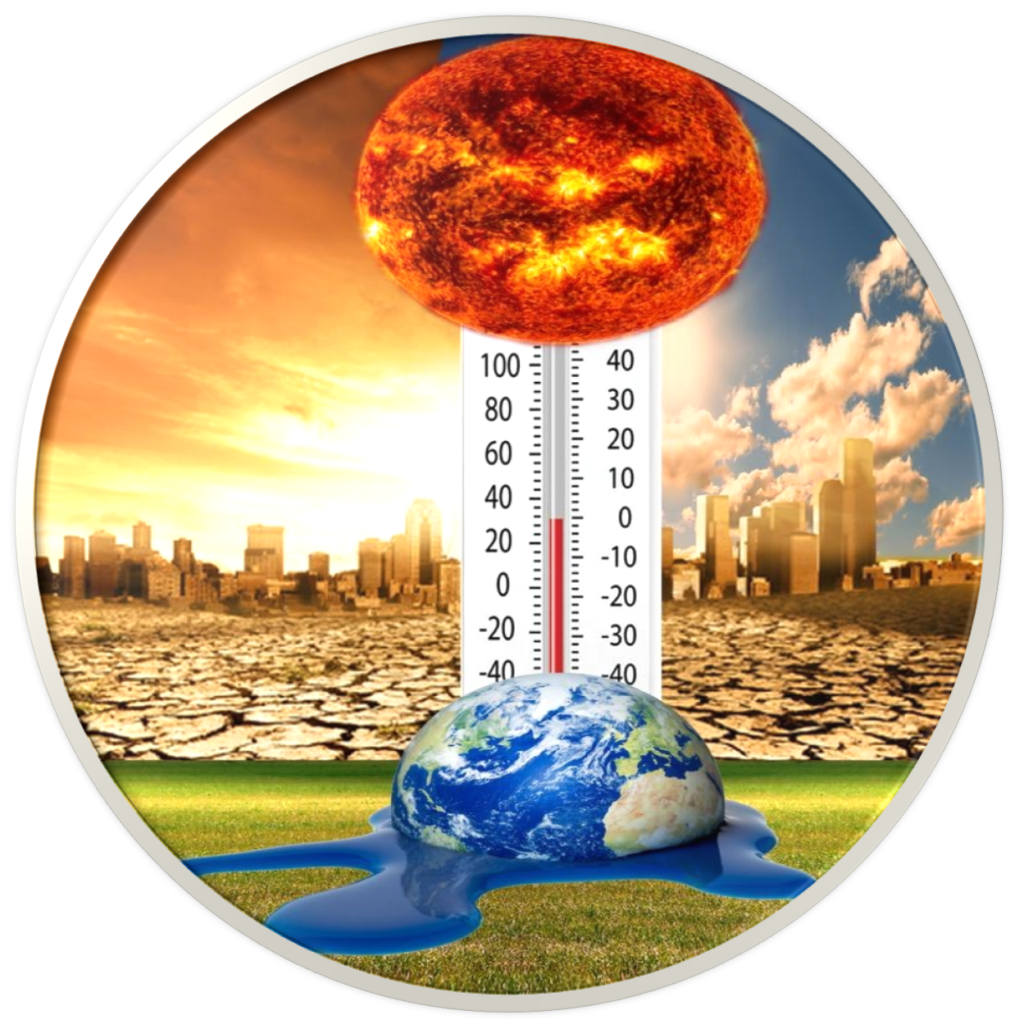
- Variation in Earth’s Activity: Change in earth’s reflectivity and rotation can lead to cooling or warming of atmosphere.
- Forest Fire: Forests act as carbon sinks, absorbing and storing large amounts of carbon through photosynthesis. When a forest fire occurs, it releases not only the stored carbon in trees and plants but also reduces the future capacity of the area to absorb carbon.
Manmade causes:
- Burning fossil fuels: The release of sulfur dioxide (SO2) and nitrogen oxides (NOx) into the atmosphere primarily through human activities like burning fossil fuels.
- Smog: Smog often coexists with the release of greenhouse gases such as carbon dioxide (CO2) and methane (CH4). While smog itself is not a significant greenhouse gas, the activities leading to its formation often involve the burning of fossil fuels, contributing to the enhanced greenhouse effect and long-term climate change.
- Acid rain: Acid rain can have localized and regional impacts on climate-related factors, its contribution to global climate change is limited compared to other major greenhouse gases like carbon dioxide (CO2) and methane (CH4)
- Mining and industrial processes: Mining and industrial activities release not only greenhouse gases but also pollutants that can affect air and water quality. These pollutants may have indirect impacts on climate by influencing regional weather patterns and contributing to changes in atmospheric composition.
- Deforestation: Deforestation disrupts ecosystems, leading to a loss of biodiversity and ecosystem services. This can affect local and regional climate patterns, as diverse ecosystems play a role in regulating temperature, precipitation, and weather conditions.
- Burning crops: The gases released by burning crops causes smog.
- Transportations: Usage of vehicles that emits hazardous gases and particles are disrupting our climate.
- Kilns: Underdeveloped countries are extensively using kilns which emits gases in atmosphere and causes climate change.
Effects of Climate Change
Prevention of Climate Change
Prevention of climate change can be done by adopting three important strategies. Mitigating climate change requires global commitment and concerted efforts. Transitioning to renewable energy sources, such as solar and wind power, is crucial in reducing greenhouse gas emissions from fossil fuels. Reforestation initiatives play a vital role in restoring carbon sinks, absorbing CO2 from the atmosphere. Sustainable land-use practices and protecting existing forests help maintain biodiversity and balance in the carbon cycle. Implementing energy-efficient technologies, promoting circular economies, and advocating for responsible consumption are essential steps. International cooperation and policy frameworks that incentivize green practices contribute to a resilient and sustainable future. Individual actions, from reducing carbon footprints to supporting eco-friendly policies, collectively contribute to the prevention of climate change and the preservation of the planet for future generations. Following are these strategies:
Mitigation strategy
- Invest in renewable energy
- Phase out coal fired power plants
- Improve Energy efficiency
- Protect and restore natural ecosystem
- Develop carbon capture and storage technologies
Adaptive strategies
- Energy efficient building design
- Water resource management
- Disaster preparedness and response
- Coastal protection
- legislation
Individual and Community actions
- Reduce energy consumption
- Use renewable energy sources
- Use public transportation and promote cycling
- Limit use of agriculture sprays
- Proper waste disposal
