
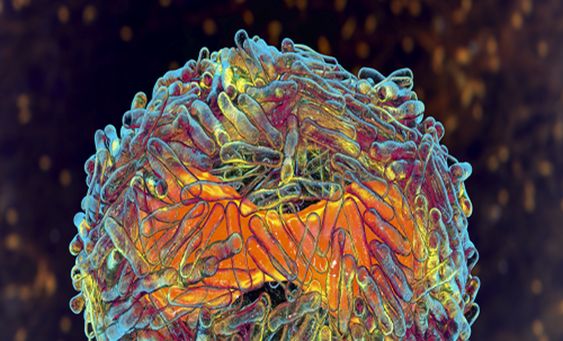
MPOX which was formerly known as monkey pox, is named after monkeypox virus. This virus is from orthopoxviral which was discovered in monkeys in 1958. It is a zoonotic disease which in human is called human monkeypox virus (hMPXV) very similar to smallpox virus variola.
Virology of MPOX
- Genus: orthopoxviral
- Family: poxviridae
- Subfamily: Chordopoxvirinae
- Subset: Smallpox (variola), Vaccinia, and Cowpox viruses.
Structure of MPOX Virus
Structure of MPOX virus is a linear double-stranded DNA virus belonging to the Poxviridae family. hMPXV is a 200 to 250 nm large, brick-shaped, enveloped, cytoplasmic virus that binds to glycosaminoglycans to enter the host cells. As an enveloped virus, it has been postulated to alternatively employ the classical apoptotic mimicry mechanism for entry into the host cells. The Orth poxviruses are genetically and antigenically similar, with open reading frames (ORFs) sharing over 90% sequence identity among their members. These viruses are evolving, primarily due to progressive gene loss at the ends of their genomes. This evolutionary process may be accelerated by selective pressure from host species. Another theory suggests that variations in gene copy number could explain the increasing ability of these viruses to infect and transmit among humans. The 197 kb linear DNA genome of human monkeypox virus (hMPXV) contains nearly 190 distinct ORFs, each longer than 60 amino acids. The genome’s highly conserved central coding region sequence (CRS) is located between nucleotide positions 56,000 and 120,000, flanked by variable regions containing inverted terminal repeats (ITRs). At least four known ORFs are present in the ITR region of the hMPXV genome.
Virus Types
Virus types of monkeypox are two: Clade I and Clade II. Clade I causes more severe illness and has a higher mortality rate. In some outbreaks, up to 10% of those infected have died, although recent outbreaks have shown lower death rates. Clade I is found in Central Africa. Clade II was responsible for the global outbreak that started in 2022. Infections from Clade II are generally milder, with more than 99.9% of people surviving. Clade II is found in West Africa.
Both types of the virus can spread through:
- Direct contact with infected animals
- Close contact, including intimate contact, with an infected person
- Direct contact with contaminated materials
The Discovery of Monkeypox in Monkeys
The discovery of Monkeypox in monkeys was first observed in 1958 when a group of research monkeys developed symptoms of fever and rash. Initially, the cause was unclear, but over the next few years, similar outbreaks were documented in other monkey populations. It wasn’t until 1966 that the virus was definitively identified as the causative agent of these outbreaks. The discovery occurred after a significant outbreak in a zoo, which prompted further investigation into the virus’s origins and its impact on both animals and humans. The identification of monkeypox in monkeys marked a critical step in understanding the disease and its potential to spread across species. Here the first animals affected were giant anteaters from South America, but the disease spread to various species of apes and monkeys. The viruses isolated from these animals were found to be similar and to represent a species of orthopoxvirus that had not been described before 1958.
The Discovery of Monkeypox in Humans
In 1970, the monkeypox virus was discovered to cause a smallpox-like illness in humans, with the first cases reported in two separate incidents in the Democratic Republic of the Congo (formerly Zaire) and Liberia. Since then, sporadic cases have continued to emerge, particularly within the African rainforest belt, with the Democratic Republic of the Congo being the most affected region. The virus’s virology and epidemiology have been extensively studied, driven by concerns that monkeypox could pose a threat to the success of smallpox eradication efforts.
Evolution of Monkeypox Virus
The evolution of monkeypox virus, similar to the cowpox virus, seems to be maintained through transmission among small rodents. Although these two viruses currently do not exist in the same regions, their genetic and antigenic similarities suggest that they share a common ancestor. Both viruses are known to infect various species naturally, including humans, which might have led to the evolution of new virus strains. Some have proposed that monkeypox could be an ancestor of the variola virus (which causes smallpox). However, this theory is unlikely because a specific gene sequence present in variola (and vaccinia) is found to be degraded and partially missing in monkeypox DNA. Additionally, it’s important to note that smallpox emerged in East Asia long before it was seen in Africa.
