

Table of Contents
HEAT STROKE:
Heat stroke is attributed to the failure of the heat-regulating mechanism. It is characterized by very high body temperature which may rise to 110°F (43.3°C) and profound disturbances including delirium, convulsions, and partial or complete loss of consciousness. The skin is dry and hot. Classically, sweating is· absent or diminished, but many victims of clear-cut heat stroke perspire profusely. The outcome is often fatal, even when patients are brought quickly to medical attention; death/case ratios of 40 percent or more have been reported. The treatment consists of rapidly cooling the body in an ice water bath till the rectal temperature falls below 102°F (38. 9°C). The rectal temperature should be monitored continuously, both to monitor the efficacy of hypothermia treatment and to guard against the development of clinically significant hypothermia, which can occur if cooling is continued too long. Further treatment is supportive and directed toward the many potential complications of hyperthermia. Hypovolemia, hyperkalemia, rhabdomyolysis, hypocalcemia, and bleeding diathesis may require intensive supportive treatment. The patient should be kept in bed for several days until the temperature control becomes stable.
The summer is the season of sunshine and bright light, we all love to go out and enjoy this season at the beach, seaside, and in the mountains. With this joy of sunlight, we are also at great risk of being affected by sunlight and heat. Let’s find out in detail about types of heat stress and its prevention.
HEAT HYPERPYREXIA :
This is attributed to impaired functioning of the heat-regulating mechanism but without characteristic features of heat stroke. It is arbitrarily defined as a temperature above 106°F (8). It may proceed to heat stroke.
HEAT EXHAUSTION :
Unlike heat stroke, heat exhaustion is not because of failure of thermo-regulation. It is a milder illness than heat stroke and is caused primarily by the imbalance or inadequate replacement of water and salts lost in perspiration due to thermal stress. Heat exhaustion typically occurs after several days of high temperature. Body temperature may be normal or moderately elevated, but it is uncommon to exceed 102°F (38.9°C). The symptoms, primarily dizziness, weakness, and fatigue, are those of circulatory distress. It may be severe enough to require hospitalization, especially in elderly patients. Treatment is directed towards normalizing fluid and electrolyte balance.
HEAT CRAMPS:
Heat cramps occur in persons who are doing heavy muscular work in high temperatures and humidity. There are painful and spasmodic contractions of the skeletal muscles. The cause of heat cramps is the loss of sodium and chlorides in the blood.
HEAT SYNCOPE :
This is a common ill-effect of heat. In its milder form, the person standing in the sun becomes pale, his blood pressure falls and he collapses suddenly. There is practically no rise in body temperature. The condition results from pooling of blood in lower limbs due to dilatation of blood vessels, with the result that the amount of blood returning to the heart is reduced, which in turn is responsible for lowering of blood pressure and lack of blood supply to the brain. This condition is quite common among soldiers when they are standing for parades in the sun.
Preventive Measures
Replacement of Water
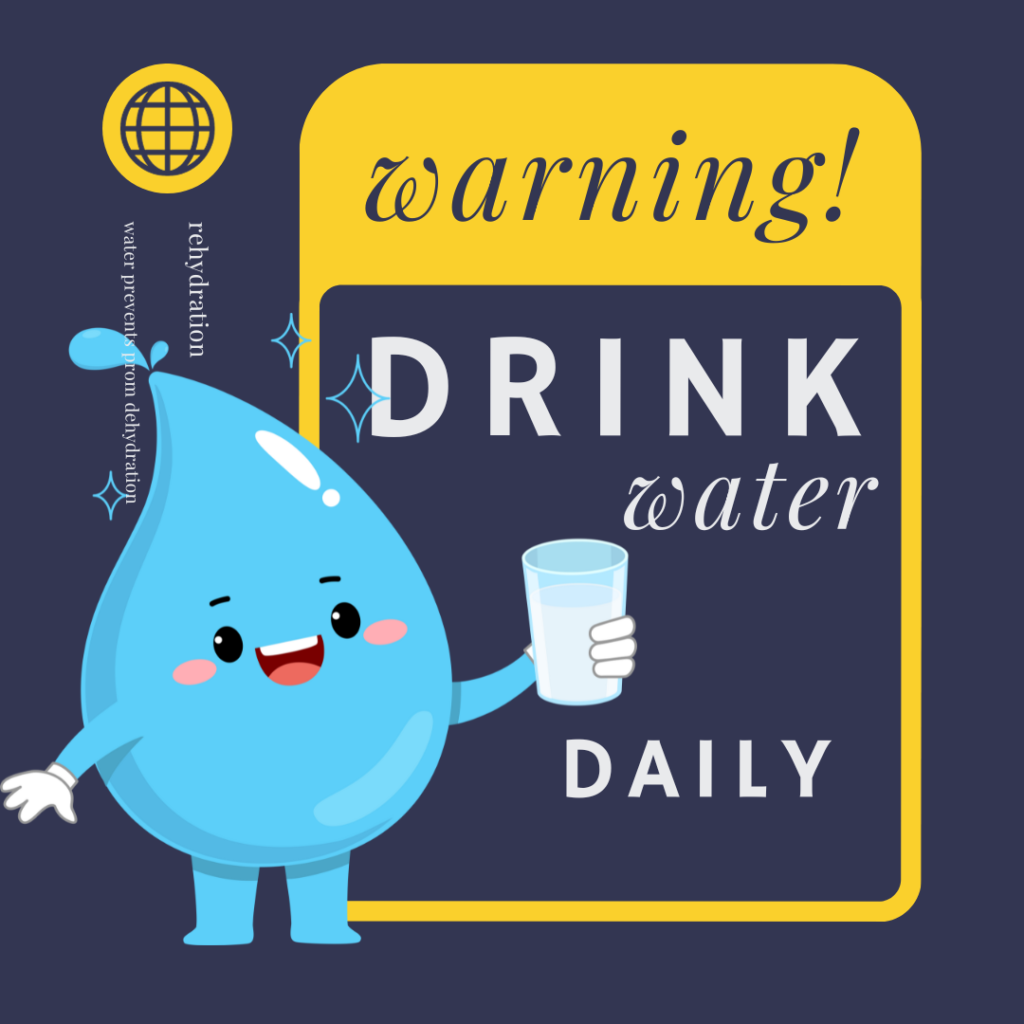
Persons working under conditions of high temperature and humidity should be encouraged to drink cool water. It has been found in Asia that a man doing hard work in the sun requires about one liter of water per hour. For a sedentary worker, the requirement is nearly half this quantity. There is a widespread belief that extra salt intake during the summer helps prevent the ill effects of heat. Studies have shown that the normal intake of salt in the Asian diet is far more than is actually needed. Further, salt losses through sweat are small since the concentration of salt in sweat is considerably low. Therefore, there is no need to add salt to the water. However, extra salt is needed by unacclimatized persons during the first ten days of their exposure to heat.
Regulation of Work
The duration of exposure to a hot environment should be cut down. There should be periods of rest in between intense work. If signs, such as headache and dizziness appear, the person should be removed to a cooler environment, and the necessary treatment given.
Clothing:
The clothing worn should be light, loose, and of light colors.
Protective measures:
Protective goggles, shields and helmets are helpful.
Work Environment :
The temperature and humidity in the work environment may be controlled by proper ventilation and air conditioning.
