
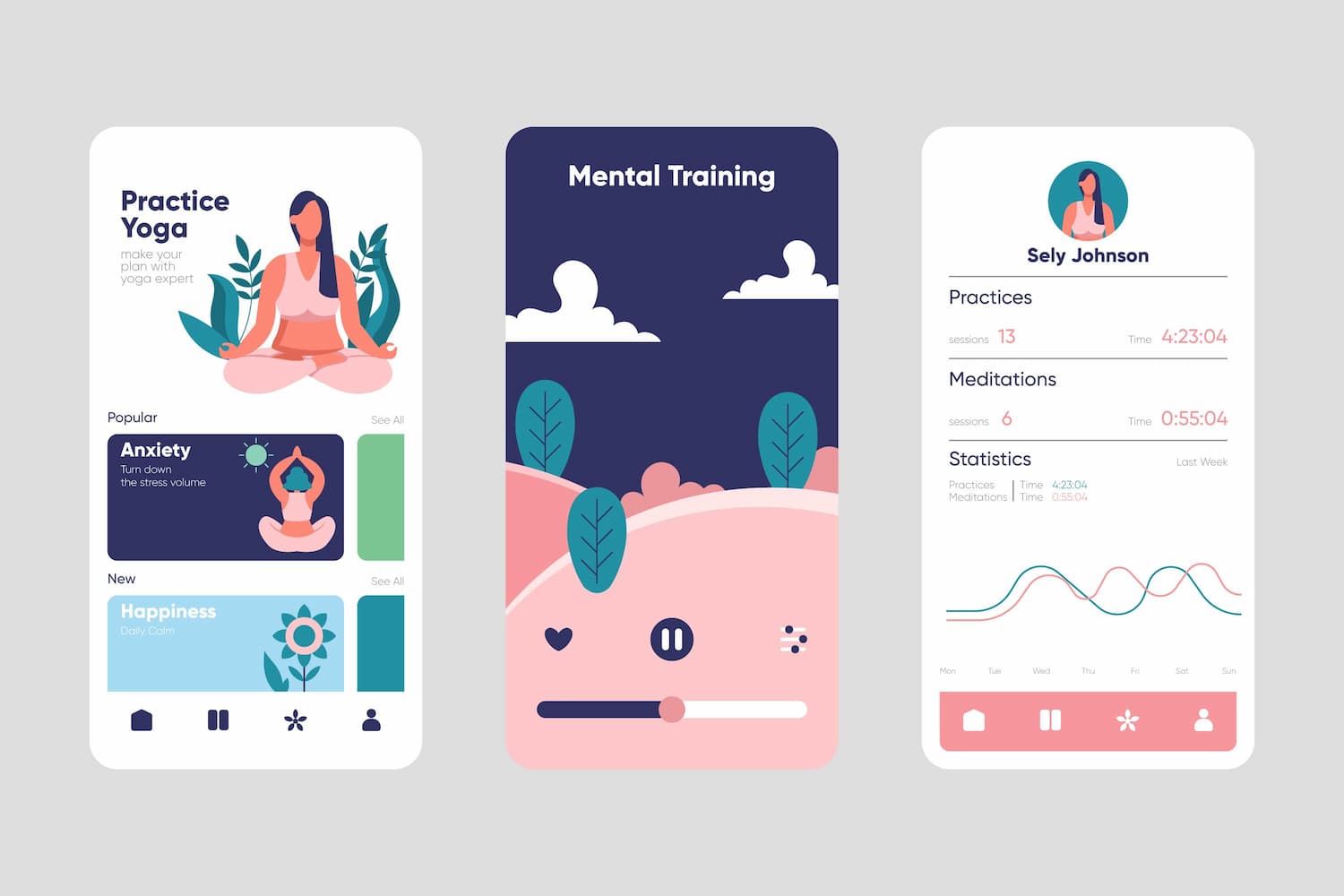
In today’s technology-driven world, digital wellness has become a crucial aspect of our daily lives. Digital wellness refers to the balance between technology use and personal well-being, emphasizing the importance of managing screen time and fostering healthy tech habits. As our reliance on digital devices increases, understanding the implications of digital dependency is essential. Recent statistics indicate that excessive screen time is linked to rising mental health issues, particularly among young people.
Understanding Screen Time
Screen time can be categorized into two types: passive and active. Passive screen time involves consuming content without interaction, such as watching TV or scrolling through social media, while active screen time includes engaging with content, like playing video games or participating in online discussions. The World Health Organization (WHO) and the American Academy of Pediatrics (AAP) provide guidelines for recommended screen time limits, which vary by age group. For instance, children aged 2 to 5 should have no more than one hour of high-quality programming per day
- In medical students and professionals, screen time can be particularly high due to the demands of their studies and work, often leading to concerns about their overall well-being.
Psychological and Physical Effects of Excessive Screen Use
Excessive screen use has been linked to various psychological effects, including anxiety, depression, and digital burnout. The blue light emitted by screens can disrupt sleep patterns, contributing to sleep disturbances. Additionally, prolonged screen time can lead to physical issues such as eye strain, headaches, and posture-related problems like tech neck and computer vision syndrome (CVS).
Excessive screen use has been linked to various psychological and physical health issues worldwide. Notably, among teenagers aged 12–17 who engage in four or more hours of daily screen time, approximately 27.1% have experienced anxiety symptoms, and 25.9% have reported symptoms of depression in the past two weeks . This underscores the significant mental health implications associated with prolonged screen exposure.
The blue light emitted by screens can disrupt sleep patterns. A study found that 97.3% of students used blue light-emitting devices at bedtime, with 35.3% reporting poor sleep quality . This highlights the impact of screen use on sleep disturbances.
Physically, prolonged screen time contributes to conditions such as eye strain, headaches, and posture-related problems. A systematic review reported that the global prevalence of computer vision syndrome (CVS) is approximately 66%, with some countries like Pakistan experiencing rates as high as 97% . These statistics emphasize the widespread nature of screen-related physical health issues.
In summary, excessive screen time is associated with significant mental health challenges, sleep disturbances, and physical ailments, underscoring the need for balanced screen use and proactive health measures.
Social Media and Mental Health
Social media plays a significant role in shaping mental health, often exacerbating feelings of inadequacy through comparison culture and the fear of missing out (FOMO). Cyberbullying and online harassment are prevalent issues that can severely impact self-esteem and body image, particularly among adolescents
2. Screen Time in Children and Adolescents
The effects of screen time on children and adolescents are profound, influencing their development, attention spans, and learning capabilities. It is crucial for parents to establish digital boundaries and provide guidance on healthy tech habits to mitigate these effects.
The Neuroscience of Digital Distraction
Research indicates that screens can negatively affect attention spans and memory. The design of many apps creates dopamine loops, making them addictive and distracting.
Digital Detox and Healthy Tech Habits
A digital detox involves taking a break from screens to reset one’s relationship with technology. This can be beneficial when individuals feel overwhelmed by their digital consumption. Practical tips for a digital detox include creating screen-free zones, setting app limits, and establishing digital curfews. Mindful technology use is essential for maintaining a healthy balance.
Role of Healthcare Professionals in Promoting Digital Wellness
Healthcare professionals play a vital role in promoting digital wellness by counseling patients about healthy tech habits and modeling balanced screen behavior. They can also encourage the responsible use of digital tools in clinical practice.
Positive Uses of Technology for Mental Health
Despite the challenges, technology can also be harnessed for positive outcomes in mental health. Mental health apps like Headspace and Moodpath offer valuable resources for users seeking support. Additionally, telepsychiatry and online counseling have made mental health services more accessible.In conclusion, as we navigate the complexities of digital wellness, it is essential to foster a balanced relationship with technology. By understanding the implications of screen time and promoting healthy habits, we can enhance our overall well-being in this digital age.
